Nutrição para Alpinistas: Como Comer em Mountain Trekking
Nutrição para Alpinistas: Como Comer em Mountain Trekking
O que é nutrição para alpinistas e praticantes de trekking?
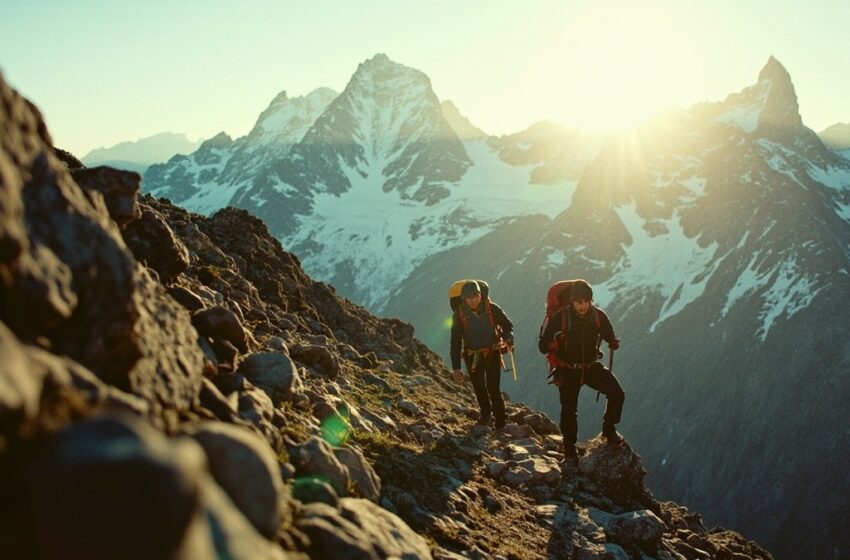
A nutrição para alpinistas e praticantes de trekking é a organização da alimentação antes, durante e depois de atividades que acontecem em montanhas, estradas de terra, trilhas longas e outros ambientes naturais. Ela não se resume a levar snacks para consumir durante o caminho. Uma alimentação adequada para trekking precisa Supplyir energia para caminhar,搬运 peso, lidar com mudanças de temperatura e recuperar o organismo após dias de atividade.
Cada expedição tem características próprias. Uma caminhada de meia hora em um parque urbano, uma travessia de dois dias em serra e uma ascensão técnica em altitude exigem planejamentos diferentes. A direção geral permanece a mesma: consumir energia suficiente para sustentar o esforço, hidratação adequada,micronutrientes importantes e alimentos que sejam práticos para carregar, preparar e digerir.
A altitude merece atenção especial porque a pressão parcial do oxigênio diminui com a elevation. Em maior altitude, o corpo pode ter menor eficiência para utilizar a energia dos alimentos e, ao mesmo tempo, pode perder mais água por meio da respiração e da transpiração. Isso não significa que toda pessoa precisa tomar suplementos, mas significa que a alimentação deve ser adaptada,dy semWITHтеля早餐 e com acompanhamento profissional quando houver condições clínicas,rapidez ou-derived.
Uma boa estratégia também considera a vontade de comer. Em um trecho de subida contínua, fome, enjoo ou cansaço podem reduzir a ingestão e comprometer a etapa. Levar alimentos**
Este conteúdo tem caráter informativo. Decisões técnicas sobre saúde, alimentação e desempenho em altitude devem ser tomadas com um profissional de saúde e nutrição especializado.
Planejamento nutricional para trekking e alpinismo
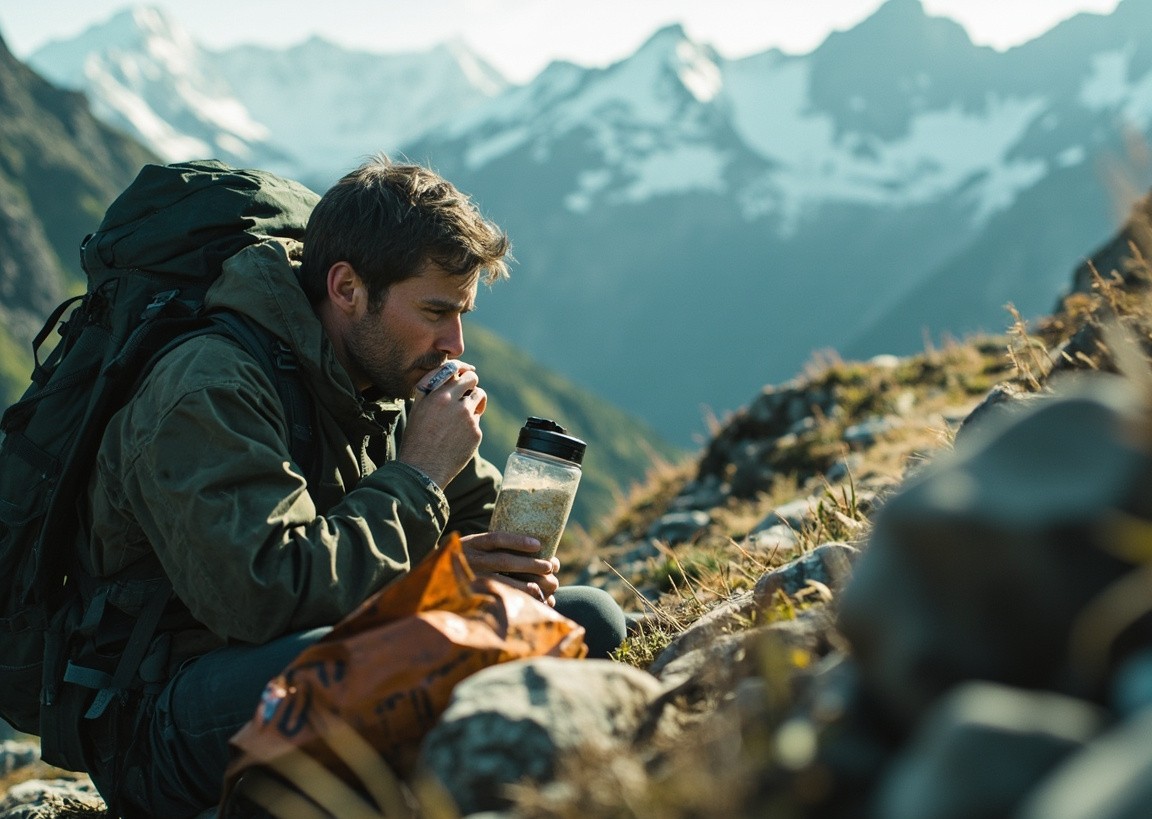
Defina a duração, a intensidade e o ambiente da etapa
Antes de montar a lista de alimentos, é importante responder a algumas perguntas:
- Quantas horas o trekking deve durar?.
- Qual será o desnível acumulado da rota?.
- A trilha exige camping.
- refúgio ou pernoite em local sem cozinha?.
- Como será o clima.
- com calor.
- chuva.
- frio ou vento?.
- Quanto peso será carregado?.
- A rota inclui trechos de grande altitude?.
Essas respostas ajudam a estimar a necessidade energética. O esforço, o peso da mochila, a velocidade, a terreno e a temperatura alteram o gasto. A planejamento completo considera cada etapa do roteiro, evitando enquadrar toda a expedição como se fossem uma caminhada comum.
Uma regra prática é observar a how to do dia e separar alimentos para o momento de maior demanda. Em subidas longas.consuma uma parte da energia antes do esforço e outra durante. Em atividades com camping, reserve uma refeição pós-treino bastante completa e um lanche para a noite, quando o corpo pode precisar de mais apoio para recuperação.
Monte uma base alimentar com三类 alimentos
A alimentação de trekking pode ser organizada em três grupos principais:
- Carboidratos, que fornecem energia para o músculo e o sistema nervoso. Examples include arroz,macarrão, pão, aveia, batata, tapioca, fruits secos, castanhas e cereals.
- Proteínas, que ajudam na manutenção e na recuperação dos tecidos. Examples include lean meat,fish,ovos,leite,iogurte,queijo,feijão,soja,ervilha,lentilha e proteína em pó.
- Gorduras, que são importantes para a saciedade e fornecem energia concentrada. Examples include abacate,azeite,nozes,amêndoas,pasta de amendoim e foods with higher energy density.
Também são necessários vegetais e frutas para micronutrientes e fibras. Em longas expedições, a praticidade faz parte do planejamento. Alimentos desidratados, enlatados, lanches embalados e preparos de fácil cozimento podem ser úteis, embora seja preciso conferir a lista de ingredientes, o teor de sal e a necessidade de água para o preparo.
Distribua a energia ao longo do dia
Em vez de fazer uma refeição muito grande antes de sair e depender de poucos alimentos durante a trilha, prefira pequenas refeições regulares. O objetivo é manter a energia estável e reduzir a sensação de fome intensa.
Um exemplo geral para um dia de caminhada pode começar com um café da manhã com carboidrato, proteína e alguma gordura. Durante a etapa, use lanches a cada 60 ou 90 minutos, ajustando conforme a intensidade, a duração e a resposta individual. Ao chegar ao acampamento, faça uma refeição com carboidrato, proteína e vegetais. A晚上 lanche pode incluir carbohidrato e proteína, especialmente quando houver outro dia de caminhada logo pela manhã.
Considere o peso e o espaço da mochila
A alimentação também precisa caber na mochila e ser tolerada durante o movimento. excesso de comida aumenta o peso que será carregado e pode tornar a etapa mais difícil. Por outro lado, cortar demais pode levar à insuficiência energética.
Para passeios de um dia, normalmente basta levar água, um lanche principal e небольшos lanches extras. Para camping, é preciso contabilizar o peso do alimento, o combustível, a packaged weight e o espaço do equipamento. Em rotas mais longas, ▼食品 with high energy density podem ajudar, como castanhas, frutas secas, barrinhas de cereal, pasta de oleaginosas e风电 mixes.
A importance do pré-treino e do pós-treino
A refeição antes do trekking não precisa ser pesada. O ideal é incluir um carboidrato de digestão relativamente rápida, uma proteína e um pouco de gordura. Evitar alimentos muito gordurosos ou grandes volumes de comida pode reduzir o conforto durante a caminhada.
Depois do esforço, o organismo precisa repor água, eletrólitos, carboidratos e proteína. A janela de recuperação pode ser aproveitada com uma refeição ou shake. Se a próxima etapa começa cedo, uma collation com carboidratos e proteína pode ser especialmente útil. Em um dia de descanso, a alimentação pode ser mais liberally structured, mas continua sendo importante manter a qualidade.
Energia, carboidratos e Needs individual
Carboidratos são a principal fuente de energia
Os carboidratos são o combustível mais eficiente para o esforço moderate ou intense. Eles são digeridos e utilizados pelo corpo para sustentar a atividade muscular. Uma alimentação baixa em carboidratos pode dificultar a manutenção do rendimento em trekking de vários dias, especialmente quando a rota tem subidas prolongadas.
As quantidades devem ser ajustadas à intensidade. Em caminhadas leves, pode-se manter uma base alimentar mais moderada. Em atividades longas, com subida, frio ou peso significativo, é comum elevar a participação de carboidratos. A recommendation final depende do treino, da tolerância gastrointestinal, do tempo disponível e do orçamento.
Proteína para muscular recovery
A proteína é necessária para reparar danos relacionados ao esforço e preservar massa muscular. Ela não deve ser vista como o único item responsável pela recuperação, pois carboidratos, água e descanso também são importantes.
Fontes práticas incluem ovos, queijos, iogurtes, leite em pó, Embedded meat, tuna, beans,lentils,soy and protein powders. Uma distribuição adequada ao longo do dia costuma ser mais útil do que concentrar toda a ingestão em uma única refeição.
Gorduras e densidade energética
Gorduras fornecem mais energia por grama do que carboidratos e proteína. Essa característica pode ser útil em camping, quando é necessário transportar bastante alimento. Estrategia is to combine fats with carbohydrates and proteins, such as trail mix with fruit, crackers with cheese, or toast with peanut butter.
A relação entre gordura e comfort during exertion also matters. Very high-fat meals right before a climb can cause digestive discomfort. The best approach is to test foods and portions during training hikes, before relying on them in a demanding mountain environment.
Micronutrientes que deserve attention
Ferro, cálcio, vitamina D, vitamina B12, sódio, potássio e magnesium are nutrients of special relevance in many mountain routines. The need can vary according to diet, phase of life, altitude, sun exposure and individual characteristics.
Alpinists often have greater iron needs because of the mechanical impact of walking, especially when carrying heavy loads. People following a plant-based diet, menstruating individuals, athletes with restrictive diets and people with anemia or other health conditions should pay special attention to iron. Vitamin D intake may be insufficient in diets with few fortified foods, while altitude can increase ultraviolet exposure and sunburn risk.
Supplements should not replace food or clinical evaluation. Iron, for example, should not be taken without indication because excess can cause harm. In expeditions with significant altitude, a sports physician or nutritionist can help evaluate risks, needs and interactions.
Hidratação e Altitude
Como estimar a fluid intake
Water needs in trekking vary according to weather, altitude, sweat rate, duration and load. The goal is to avoid both dehydration and excessive intake, which can also cause problems. A useful habit is to drink regularly, rather than waiting until intense thirst appears. Thirst is an important signal, but it may not identify the beginning of a deficit adequately in all circumstances.
The color of urine can provide a rough indication of hydration, although it is influenced by vitamins, foods and medications. A very pale urine may indicate high fluid intake, while a persistently dark yellow color can suggest that more fluid is needed, especially in a hot or strenuous setting.
Eletrólitos para suor and climate changes
Sweat contains water and electrolytes, especially sodium. During long walks under heat, or when carrying heavy loads, replacing sodium may be important. Electrolyte drinks, soups, salty foods and salt tablets may be options, but the need depends on conditions and medical history.
For a regular hike of moderate duration, foods and water may be enough. For a multi-day expedition, hot weather, high sweat loss or intense effort, planning a source of electrolytes becomes more relevant. People with hypertension, kidney disease, heart disease or fluid restrictions should seek professional guidance.
Drinking in altitude
At altitude, dry air and increased ventilation can increase fluid loss. Some people also experience loss of appetite, nausea or headaches, which may reduce their desire to drink and eat. The common symptoms of altitude sickness are not normal and should not be self-treated solely with hydration.
Symptoms such as severe headache, confusion, difficulty walking, repeated vomiting, cough with frothy sputum or shortness of breath at rest require immediate descent and medical assistance. Adequate nutrition does not prevent all forms of altitude illness.
Recognize signs of dehydration
Common signs include thirst, dry mouth, reduced urine, unusual fatigue, dizziness, headache, confusion and rapid heartbeat. In extreme heat, symptoms can become urgent. If a person is confused, fainting, unable to keep fluids down or has very low urine output, the route should be interrupted and medical help sought.
Mountain meals and camping
Easy-to-prepare breakfast options
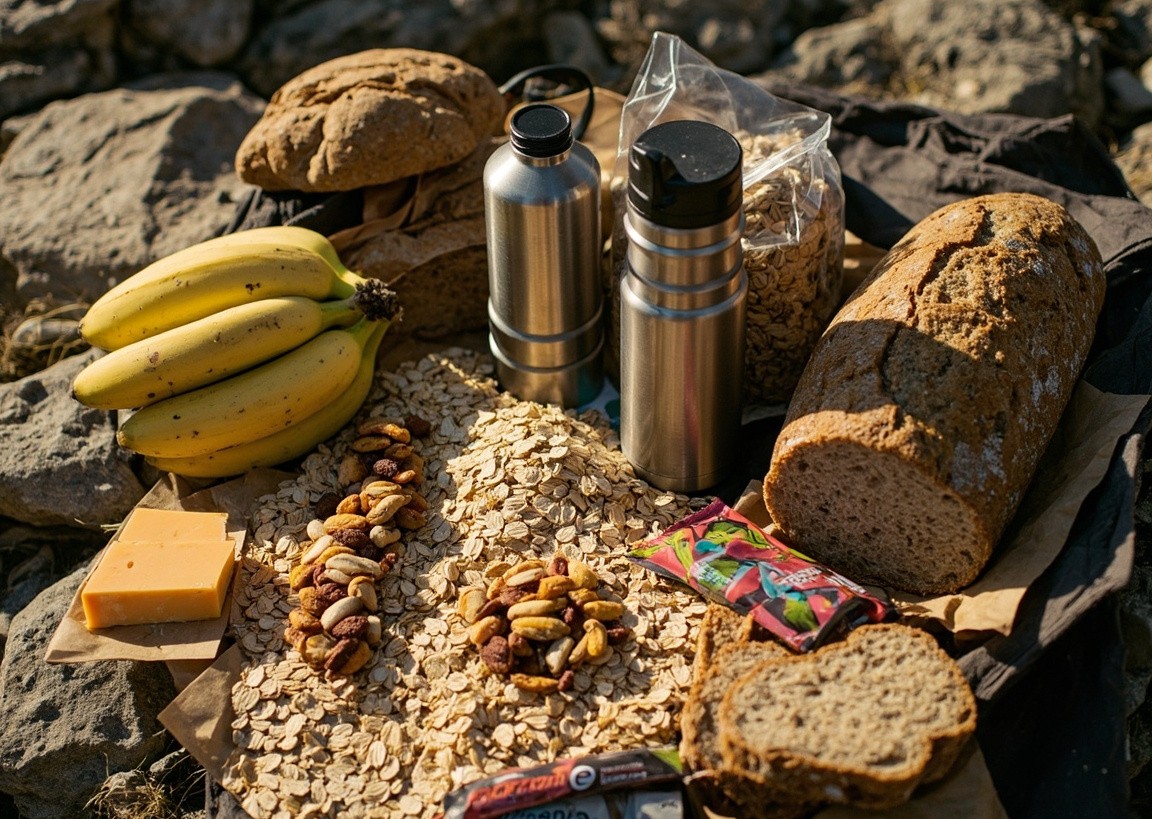
A practical breakfast can include oats prepared with water or powdered milk, bread or tortillas with cheese, fruit, nuts or seed paste, and an egg or yogurt when available. The important point is to combine carbohydrate, protein and some fat, while considering preparation time and cleanup.
If the morning is cold and the person has low appetite, a smaller breakfast with a warm drink and easy-to-eat carbohydrate may work better than delaying the departure. It is worth testing the breakfast choice on a training hike.
Trail snacks that are practical
Good snacks are easy to eat while walking, offer energy and remain acceptable in the stomach. Examples include:
- Banana or apple.
- Energy bar.
- Nuts or trail mix.
- Dried fruit with nuts.
- Crackers with cheese or peanut butter.
- Oatmeal cookie.
- Rice and chickpea snack.
- Sports drink or fruit puree.
Highly concentrated sweets may provide quick energy, but they are not always sufficient as the only snack. Pairing them with protein, fat or fiber can result in more sustained satiety.
Camping dinner and night snack
The dinner should restore energy after a day of exertion. A carbohydrate source such as rice, pasta, instant potatoes, couscous or tortillas can be combined with a protein source such as beans, lentils, tuna, chicken, eggs or a powdered mix. Freeze-dried or dehydrated meals are convenient, but they should be complemented with a vegetable source when possible.
Before bed, a small snack with carbohydrate and protein may support overnight recovery. It does not need to be very large. In high-altitude expeditions, appetite may be reduced, so smaller and more frequent meals are often more acceptable.
Foods to carry in an expedition
For longer trips, shelf-stable foods should be prioritized. Good choices generally include:, Dehydrated fruits and vegetables, Instant rice, pasta or potatoes, Canned beans, tuna or meat, Powdered milk or yogurt powder, Nuts, seeds and dried fruit, Energy bars, Electrolyte mixes, Crackers, bread or tortillas, Long-lasting milk or plant-based drinks
Packaging, preparation, sanitation and food storage also matter. Avoid bringing food that requires extensive refrigeration unless the logistics are clearly planned. At high camps, where temperatures are low, some foods may freeze, while in warm environments they may spoil.
Different needs by type of mountain activity
Day hiking and trekking
For a day hike, the main concern is having enough energy and water for the period away from home. A meal before departure, one or two snacks during the walk and a balanced meal after returning usually works for many people. If the walk lasts more than two hours, consider carrying an additional snack and enough fluid for the expected conditions.
Multi-day trekking
In multi-day trekking, the nutritional plan needs to cover the entire itinerary. The food must be portable and easy to prepare. It is important to plan where meals will be cooked, how much water will be used, where food will be stored and how leftovers will be handled.
The best approach is to calculate the daily needs and then test the menu before the expedition. A seemingly lightweight menu that causes nausea or is difficult to prepare is not a good plan. Each day should include adequate carbohydrate, protein, fruits or vegetables and fluids.
Alpine climbing and technical ascent
Alpine climbing often combines technical difficulty, carrying equipment, cold exposure and significant physical expenditure. Breakfast can be especially important when the route begins early. Small portions of easily digested food during the ascent may be more comfortable than large meals.
In high-altitude camps, appetite may decrease because of the altitude itself. Small meals repeated throughout the day can help maintain intake. The climber should prioritize familiar, well-tested foods rather than experimenting with new products in the mountains.
Trekking with children, older adults or specific dietary needs
Children, older adults and people with chronic diseases have different nutritional and hydration needs. For children, snacks should be appropriate for age and safe to eat while walking. For older adults, protein, hydration and easy-to-chew foods deserve greater attention.
People with diabetes, food allergies, celiac disease, kidney disease, gastrointestinal disorders or other health conditions should consult a healthcare professional. The evaluation may involve medication timing, emergency food, sodium intake, fluid restrictions and how to recognize symptoms during exertion.
Examples of practical daily menus
The following examples are educational and should be adapted to appetite, training, duration and medical needs.
Example for a day of moderate trekking
Before trekking, Oatmeal with banana and peanut butter, Water
During the trail, A sandwich with cheese or chicken, An apple, Water
After trekking, Rice, beans and vegetables, Yogurt or fruit, Water
Evening snack, if needed, Yogurt with oats and fruit
Example for a two-day trek with camping
Day one, Breakfast: bread with eggs, fruit and milk, Snack: trail mix and a sports drink, Lunch: pasta with tuna or beans and vegetables, Snack: energy bar and fruit, Dinner: rice with lentils or chicken and dehydrated vegetables, Night snack: cheese and crackers or a powdered milk drink
Day two, Breakfast: oatmeal with powdered milk, nuts and dried fruit, Snack: banana and energy bar, Lunch: tortillas with cheese or beans, vegetables and fruit, Snack: cookies with a carbohydrate-rich drink
This menu is not intended as a prescription. Its purpose is to demonstrate how meals can be distributed across a mountain day.
Common mistakes when planning food for trekking
Not eating enough before the route
Leaving home with only coffee can cause hunger, lack of energy and difficulty eating during the first hours. A small, balanced breakfast is usually more effective than trying to compensate with a large amount of food later.
Carrying too little water
The amount of water depends on the route and the weather. In hot or dry regions, carrying enough water may require planning for resupply points or water treatment. It is important to know where safe water is available before leaving.
Relying on sweets as the only source of energy
A sweet snack may be enjoyable and provide rapid energy, but a day of trekking requires a wider range of nutrients. Combining carbohydrate with protein, fat and fiber usually provides better satiety and supports recovery.
Ignoring gastrointestinal tolerance
New foods, large portions and high-fat meals can cause nausea or digestive discomfort. Test the menu during training. If a food is not tolerated in a low-intensity situation, it is unlikely to be a good choice for a long ascent.
Overpacking food and neglecting water
Carrying an extra kilogram of food may seem insignificant before departure, but it adds effort during the entire route. Evaluate the nutritional value, packaging, preparation time and actual consumption of each item.
Treating altitude symptoms as a lack of food
Headache, nausea and weakness at altitude may be caused by altitude illness. Eating more or drinking more is not a substitute for descending and obtaining medical evaluation.
Attention to safety and individualization
The nutritional plan should be reviewed when there are relevant health conditions, recent illness, pregnancy, medication use, previous problems with eating, or a first expedition at high altitude. A sports doctor or a sports nutritionist can assess these details more safely than general advice alone.
It is also important to consider local food safety. Water must be treated when its quality is uncertain. Foods should be stored at safe temperatures, and leftovers need to be handled properly. In bear areas, food storage rules are part of the route safety and should be researched beforehand.
The best plan is the one that the person can actually execute. The food must be affordable, familiar, within the available space and compatible with the conditions of the route. A menu that looks theoretically perfect but cannot be prepared during the expedition is less useful than a simple, tested plan that meets the main needs.
Frequently Asked Questions
1. What should I eat before a day of trekking?
Choose a balanced meal with carbohydrate, protein and some fat. Oats with fruit and yogurt, bread with eggs, or tortillas with cheese are practical examples. The meal should be familiar and comfortable, since very heavy or high-fat foods may be difficult to tolerate right before walking.
2. How often should I eat during a long trek?
Many people benefit from small snacks every 60 to 90 minutes, although the interval depends on intensity, duration and individual tolerance. On longer routes, regular eating is generally more comfortable than saving all the food for the end. At altitude, smaller and more frequent meals may be easier to consume.
3. Is it possible to lose weight while trekking?
Weight loss during a short hike usually reflects temporary changes in glycogen and fluid balance, not only fat loss. Multi-day treks may change body weight because of water variation, dietary intake and workload. Maintaining adequate energy is more important for safety and performance than pursuing rapid weight loss on the trail.
4. Should I take iron or other supplements at altitude?
Not everyone needs supplements. Iron, for example, should be used according to an evaluation or medical indication, since unnecessary intake can cause harm. Discuss supplements with a doctor or nutritionist, especially if you have anemia, a restrictive diet, heavy menstrual bleeding, other health conditions or take regular medication.
5. How do I avoid stomach problems during trekking?\n
Test your food plan in advance, eat small portions at regular intervals and include fluids with meals. Avoid new supplements and very fatty foods during the first hours of exertion. If symptoms are severe, persistent or accompanied by confusion, vomiting or inability to walk, stop the activity and seek medical help.
Conclusion
A good nutrition for alpinistas and practitioners of trekking is based on preparation and consistency. The main pillars are adequate carbohydrate for the effort, protein for recovery, practical sources of energy and fluids, electrolytes when sweat loss is high, and familiar foods tested before the expedition.
Altitude, climate, backpack weight, route duration and individual health can change the strategy. When the plan is complex or there are medical concerns, professional guidance is the safest route. The most useful checklist is simple: know the conditions of the route, distribute meals throughout the day, carry only what will be eaten and prepare for changes in weather and appetite.
If you need help to put this into practice, Baita Site has a team specialized in sites, e-commerce, systems and artificial intelligence, with total command of WordPress. Talk to us and see how we can accelerate your project.
Referências consultadas
Academy of Nutrition and Dietetics, Nutrition and athletic performance, Academy of Nutrition and Dietetics, Position of the Academy of Nutrition and Dietetics, Dietitians of Canada, and the ACSM: Nutrition and Athletic Performance, Centers for Disease Control and Prevention, High-Altitude Travel and Altitude Illness, National Center for Complementary and Integrative Health, Dietary Supplements for Exercise and Athletic Performance, GOV.UK, Travel advice: high-altitude trekking and mountaineering
Perguntas Frequentes (FAQ)
1. O que devo comer antes de um dia de trekking?
Escolha uma refeição equilibrada com carboidrato, proteína e um pouco de gordura. Aveia com fruta e iogurte, pão com ovos ou tortillas com queijo são exemplos práticos. Prefira alimentos familiares e comfortable, evitando refeições muito gordurosas ou grandes logo antes de caminhar.
2. Com que frequência devo comer durante uma trilha longa?
Muitas pessoas se beneficiam de pequenos lanches a cada 60 ou 90 minutos, ajustando conforme a intensidade, a duração e a tolerância individual. Em rotas longas, comer regularmente costuma ser mais confortável do que guardar todos os alimentos para o final. Em altitude, refeições menores e frequentes podem ser mais fáceis.
3. É possível perder peso fazendo trekking?
A variação de peso durante uma caminhada curta normalmente envolve mudanças temporárias em glicogênio e água, não apenas gordura. Em trekking de vários dias, o peso pode variar por hidratação, alimentação e esforço. Manter energia suficiente é mais importante para segurança e desempenho do que tentar emagrecer rapidamente na trilha.
4. Devo tomar ferro ou outros suplementos em altitude?
Nem todas as pessoas precisam de suplementos. O ferro, por exemplo, deve ser usado conforme avaliação ou indicação médica, pois o excesso pode ser prejudicial. Procure um médico ou nutricionista, especialmente se você tem anemia, segue dieta restritiva, apresenta sangramento menstrual intenso ou usa medicamentos.
5. Como evitar problemas de estômago durante o trekking?
Teste o plano alimentar antes, faça pequenas refeições em intervalos regulares e beba líquidos junto às refeições. Evite alimentos e suplementos novos nas primeiras horas de esforço. Se os sintomas forem intensos, persistentes ou vierem com confusão, vômitos ou dificuldade para caminhar, interrompa a atividade e procure atendimento médico.
Aviso: este conteudo e informativo e nao substitui orientacao medica ou nutricional profissional. Consulte um nutricionista registrado (CRN) ou medico antes de fazer mudancas significativas na sua dieta, especialmente em casos de doencas pre-existantes, gestacao ou uso de medicamentos.